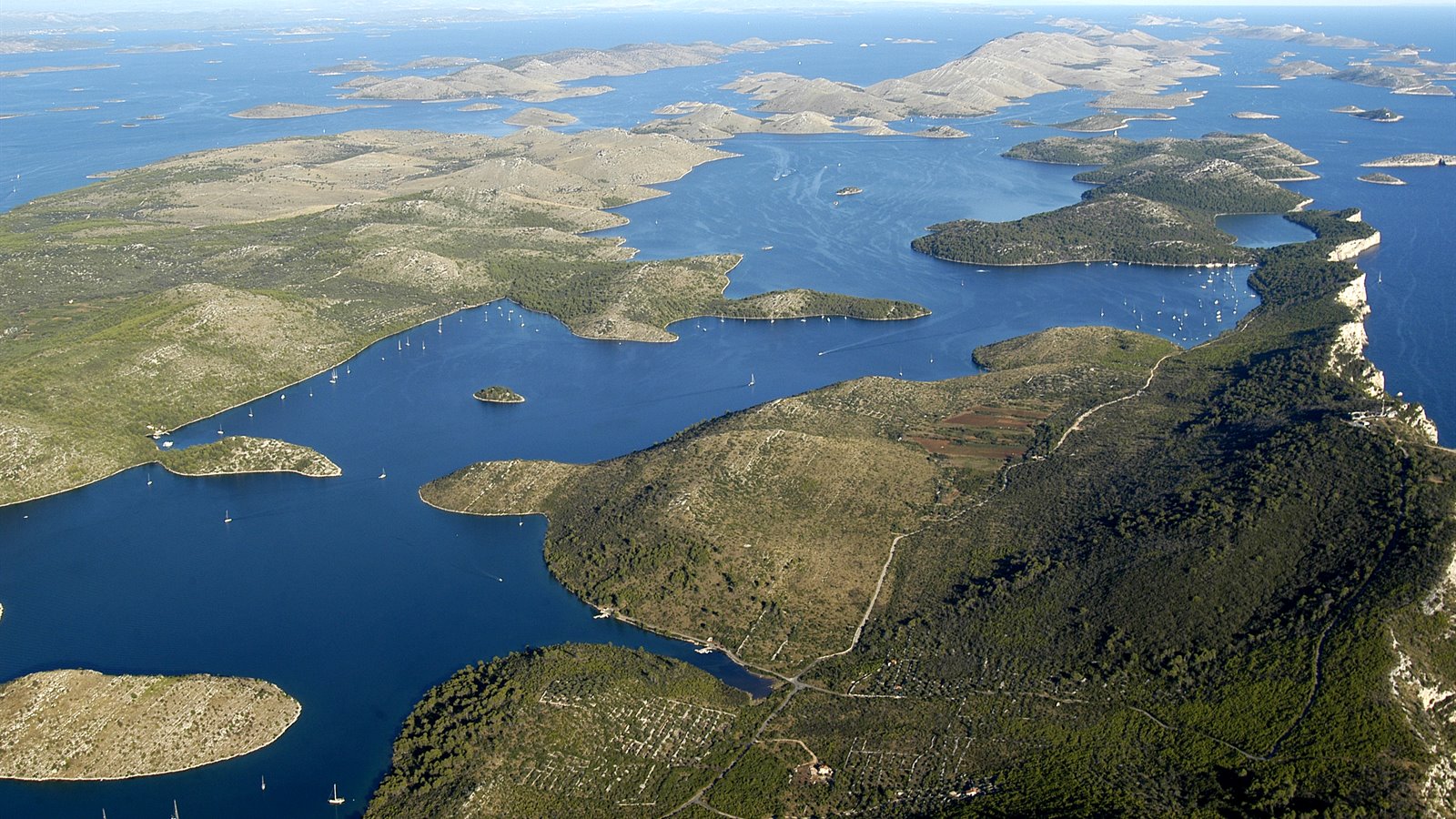
Some cruising grounds are chosen for their infrastructure. Others stay with you long after the trip. Kornati belongs firmly in the second group.
The first time you pass between the bare islands, narrow channels and deeply cut bays, it becomes clear why so many crews return year after year. At the same time, this is no longer a place where you can simply turn up and anchor wherever the evening happens to find you. Ticket systems have changed, Posidonia protection is stricter and many popular bays are more regulated than they used to be.
That makes preparation more important, not less rewarding. Crews who plan daily distances, park tickets and overnight stops with a little care usually experience Kornati and Telašćica with far less stress.
Two protected areas, two ticket systems
Many crews talk about “Kornati” as if it were one single area. In practice, two different protected areas often shape the same route: Kornati National Park and Telašćica Nature Park on Dugi Otok.
Each park has its own rules and its own entrance system. A route from Murter through Levrnaka towards Telašćica may cross between these areas more than once during the same trip.
Charter crews in particular often underestimate this. It is not unusual to discover only on arrival that another ticket is needed, or that a bay can be used only under specific conditions.
For route planning, the simpler option is to arrange the combined ticket for both parks through mySea before the trip starts.
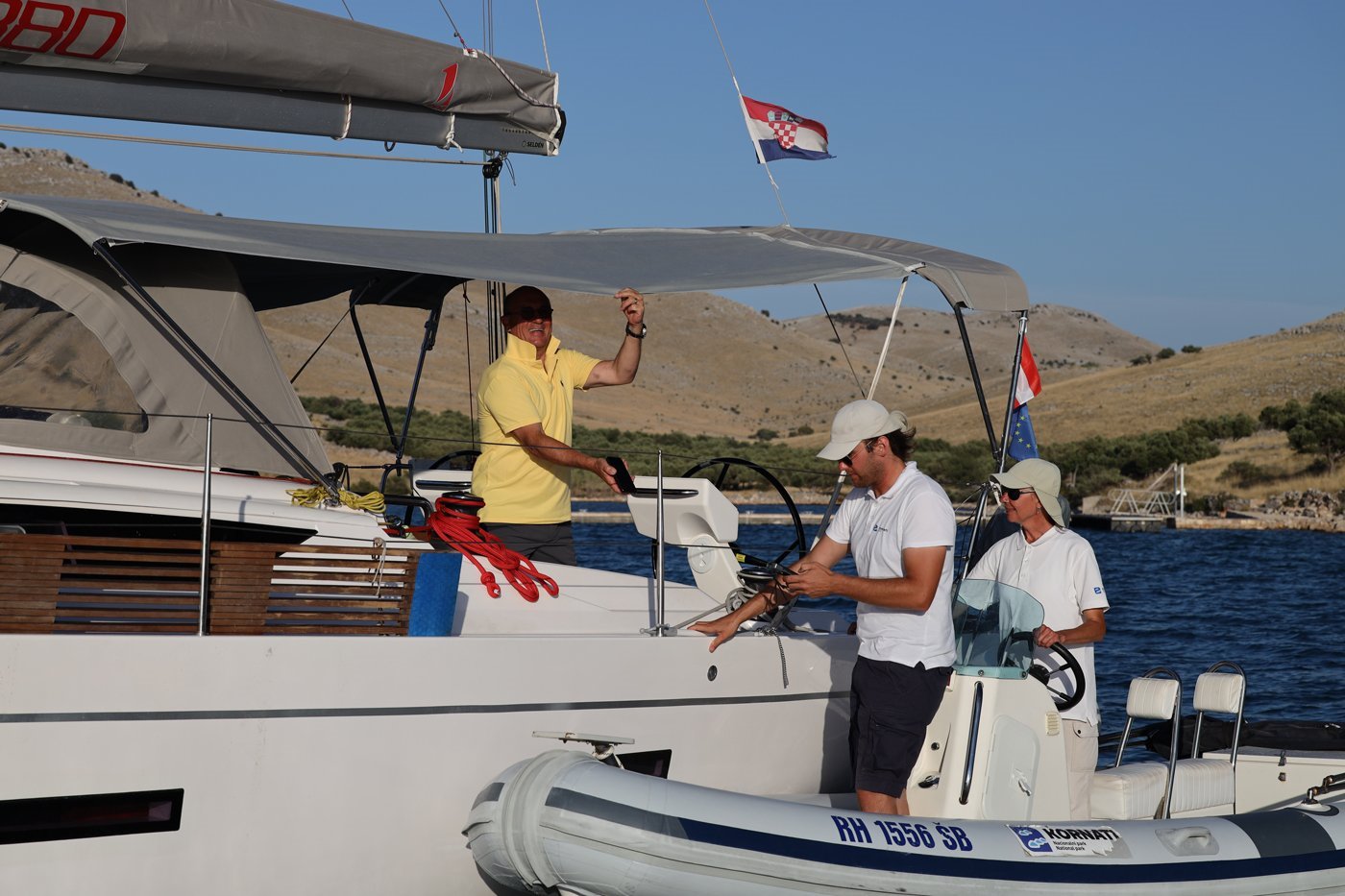
2026 ticket prices: advance purchase usually pays off
Prices are mainly based on boat length and season. On larger charter yachts, the difference between advance purchase and buying during an on-site control can be significant.
Advance purchase prices Kornati National Park
| Boat length | High season (June - September) | Low season (October - May) |
|---|---|---|
| up to 7 m | € 45.00 | € 25.00 |
| 7 m - 11 m | € 65.00 | € 30.00 |
| 11 m - 18 m | € 95.00 | € 50.00 |
| 18 m - 25 m | € 160.00 | € 80.00 |
| 25 m - 35 m | € 320.00 | € 175.00 |
| 35 m - 50 m | € 640.00 | € 400.00 |
| 50 m - 75 m | € 1,035.00 | € 690.00 |
| 75 m - 100 m | € 1,725.00 | € 1,035.00 |
Prices as of 2026, without guarantee. Buying locally can be considerably more expensive. Passing through without anchoring, swimming or staying overnight is generally still permitted; fees apply when the park is actually used.
Why earlier planning matters here
On a chart, Kornati can look smaller and easier than it feels under way. Many crews plan days that are too long, or assume they will find a free mooring late in the afternoon.
Popular stops such as Vrulje, Opat, Levrnaka, Ravni Žakan and Mir in Telašćica can fill up early on calm summer days. Arriving at 17:00 or 18:00 often means having to improvise.
Shorter distances usually work better in Kornati. Make fast earlier, keep a Bora alternative in mind, avoid turning every day into a mileage target and stock up on water and supplies before entering the parks.
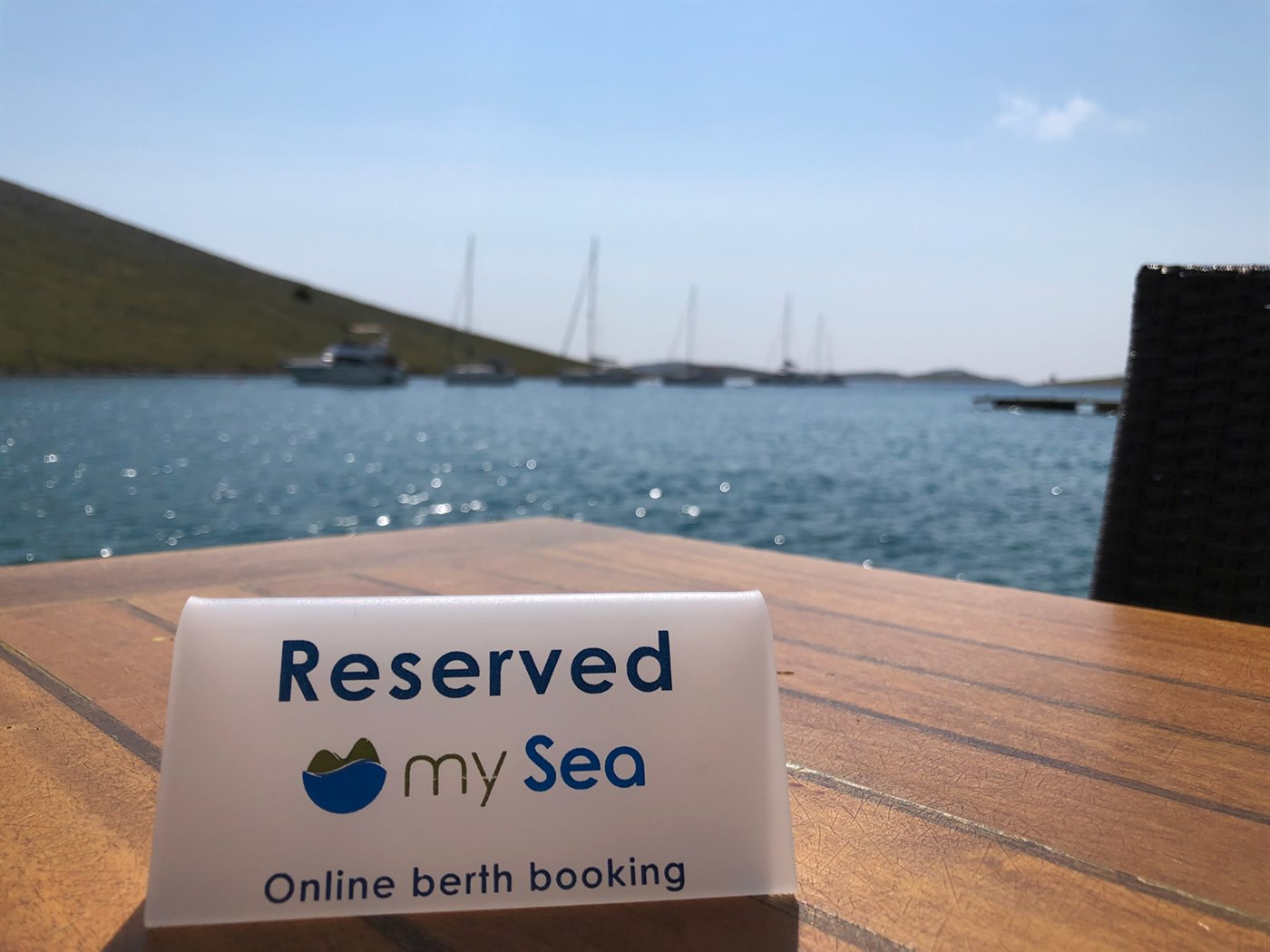
Outside the peak season, especially in May, June, September and October, the area often shows its best side: fewer boats, calmer bays, more comfortable temperatures and lower ticket prices.
Mooring fields instead of free anchoring
The era of almost unlimited free anchoring in Kornati is largely over. In many bays, crews should expect mandatory moorings, designated anchoring areas, no anchoring between buoys and a clear ban on anchoring over Posidonia.
This is not a minor detail. Posidonia meadows are essential to the health of the cruising ground and recover extremely slowly. An anchor and chain can leave damage that lasts far longer than one holiday week.
Telašćica: one of the safest natural harbours in the Adriatic
Many crews plan Telašćica as a short stop and then end up staying longer. Important mooring fields include Mir, Tripuljak, Kruševica, Kučigelj, Magrovica, Podugopolje, Pasjak, Jaz, Buhaj and Pod Katina.
Mir is one of the most popular stops in the park. In Bora conditions, Telašćica remains one of the safest natural harbours on the Croatian Adriatic, which is another reason not to arrive too late.
Kornati: konobas, small bays and short legs
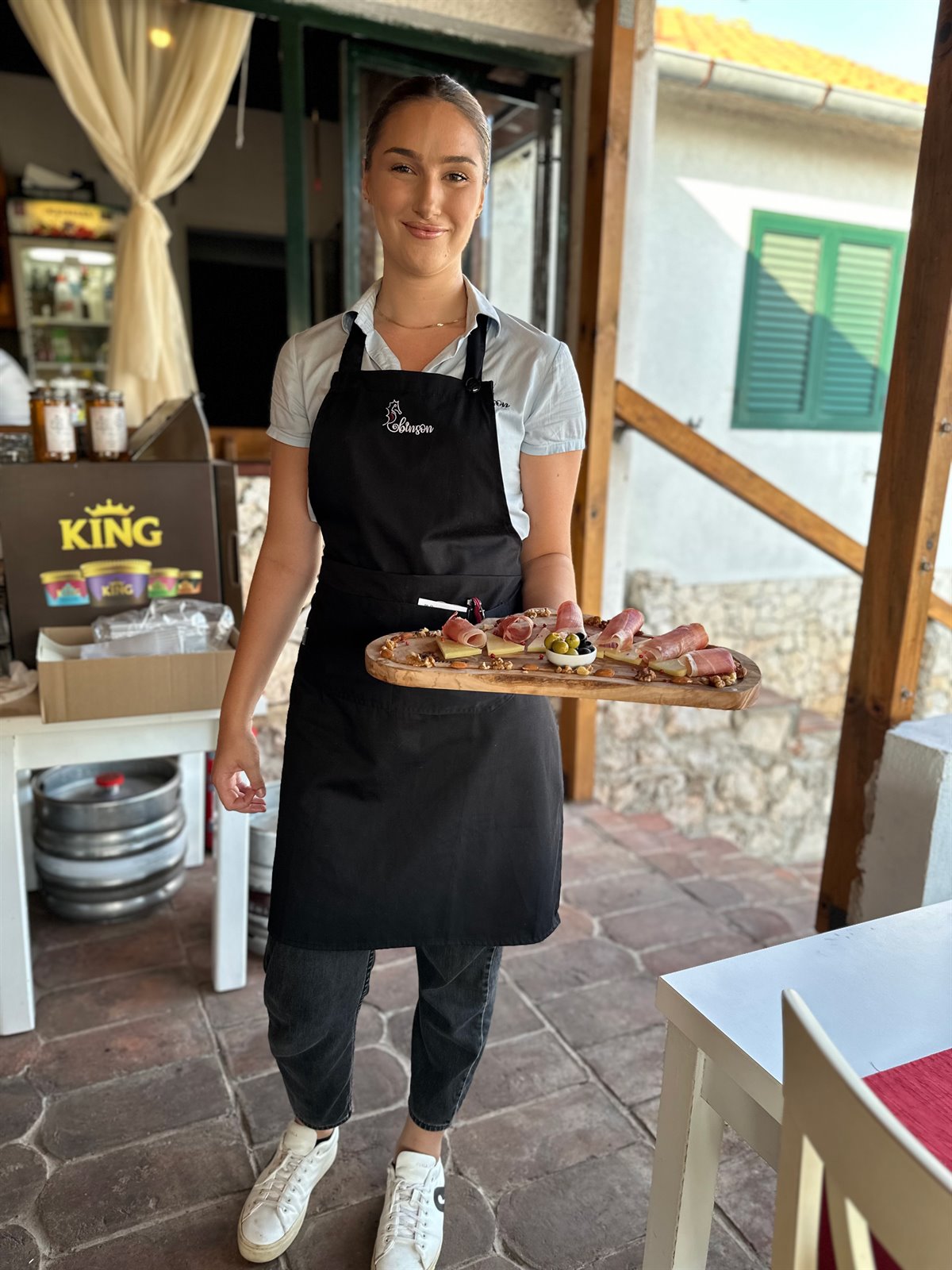
Many crews shape their days around small waterside konobas. A restaurant may have its own jetty, a small mooring field or a sheltered quay.
Some konobas can help with park tickets or may offset part of a fee against a restaurant visit. This is never something to rely on automatically, but experienced skippers often ask in advance. Smaller konobas may still prefer cash.
Marina Piškera as a practical midpoint
Marina Piškera remains an important supply and weather stop inside the national park. For crews looking for a secure berth with basic infrastructure, ACI Marina Piškera is the only marina within Kornati National Park. Its central position makes it useful as a stopover or as a base for short hops into nearby bays.
Water and electricity are available at the quay, usually only during certain times, and there are showers, sanitary facilities and a small shop. Depending on current rules, the national park ticket may already be partly included in the berth fee.
The key rule change since 2025: SSVO
Croatia’s newer small craft regulation, often referred to as SSVO, has formally restricted or prohibited several practices that were previously tolerated.
The most relevant points for crews are the ban on tying to trees or rocks, stricter Posidonia rules, minimum distances from swimming areas and more consistent controls.
Scuba diving in the national park is restricted. Fishing and drone flights are also subject to additional rules or permits.
Why Kornati still belongs on the route
Despite all the rules, Kornati remains one of the strongest experiences on the Croatian Adriatic. Bare islands, narrow passages, clear water, small natural bays, quiet nights on moorings and simple konobas give the area a very different rhythm from a marina-led coastal route.
Crews who want to visit both parks should plan tickets and overnight stops before departure. mySea brings together park information, the combined Kornati and Telašćica ticket, bays, mooring fields, crew notes and practical planning details in one place.