For a long time, cruising in Croatia felt wonderfully spontaneous. A crew could keep sailing into the afternoon, look into a harbour, find a place along the quay or pick up a buoy if the marina was full. That kind of flexibility still exists, but it no longer carries every route through every summer week.
In the high season, popular marinas, town quays and mooring fields often fill early. Charter fleets are larger, catamarans take up more room, and many crews follow similar island routes through Dalmatia. Weather adds another layer. A summer Maestral may simply make the afternoon more enjoyable. Bora and Jugo, however, can decide very clearly which side of an island is comfortable and which is not.
The real comfort on a Croatia trip is often not the marina itself. It is the calm feeling, sometime in the afternoon, that the evening berth is sorted. A crew that is not searching shortly before sunset sails differently. The last miles feel lighter, weather decisions become more rational, and nobody has to choose a questionable berth just because daylight is running out.
Marina, town quay or mooring field
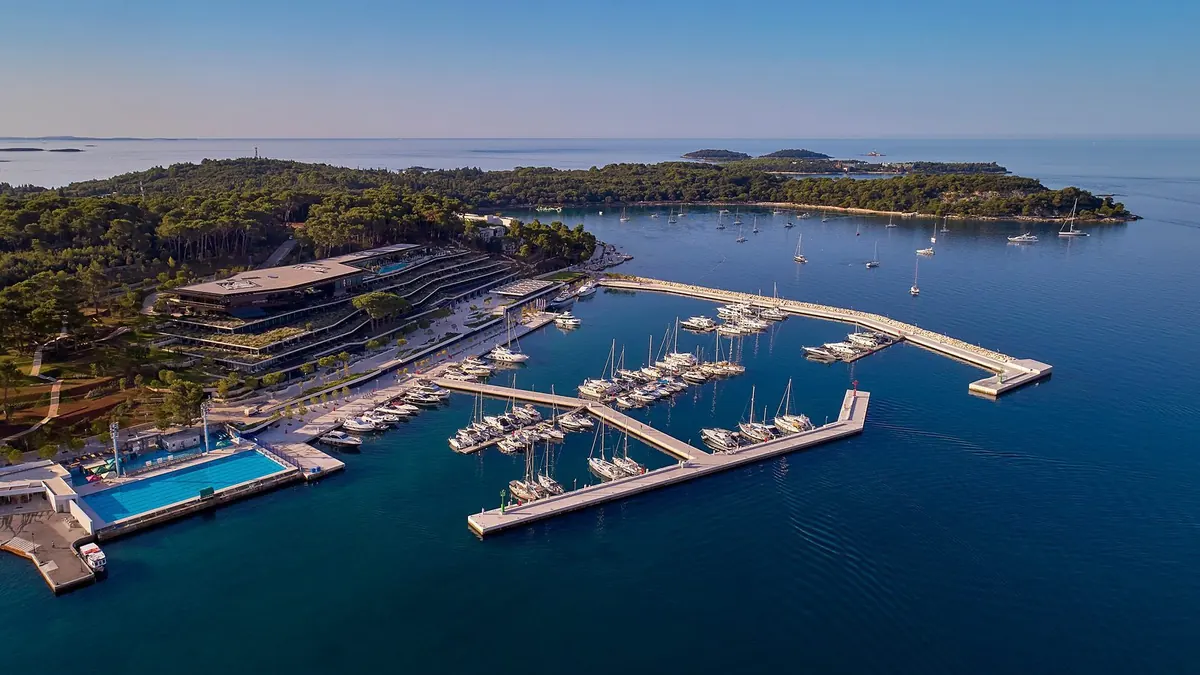
A marina is usually the most predictable option. It can often be reserved, offers electricity, water, showers and some level of service, and it makes logistics easy. It is more expensive than a simple berth, but it can be the right decision when the weather is unsettled, the crew needs a reset or the boat needs water, provisions, waste disposal or a technical check.
A town quay or small local harbour feels different. Many of these places are operated by the local port authority, the Lučka uprava. They are often right in the centre of town, close to restaurants, bakeries and small shops. They are usually cheaper than private marinas, partly because many municipal harbours are not subject to the Croatian 25 percent VAT in the same way as private marinas. The trade-off is less service, less comfort and often no reliable reservation option. Places such as Komiža on Vis, Stari Grad on Hvar or smaller village quays are best approached early rather than at dinner time.
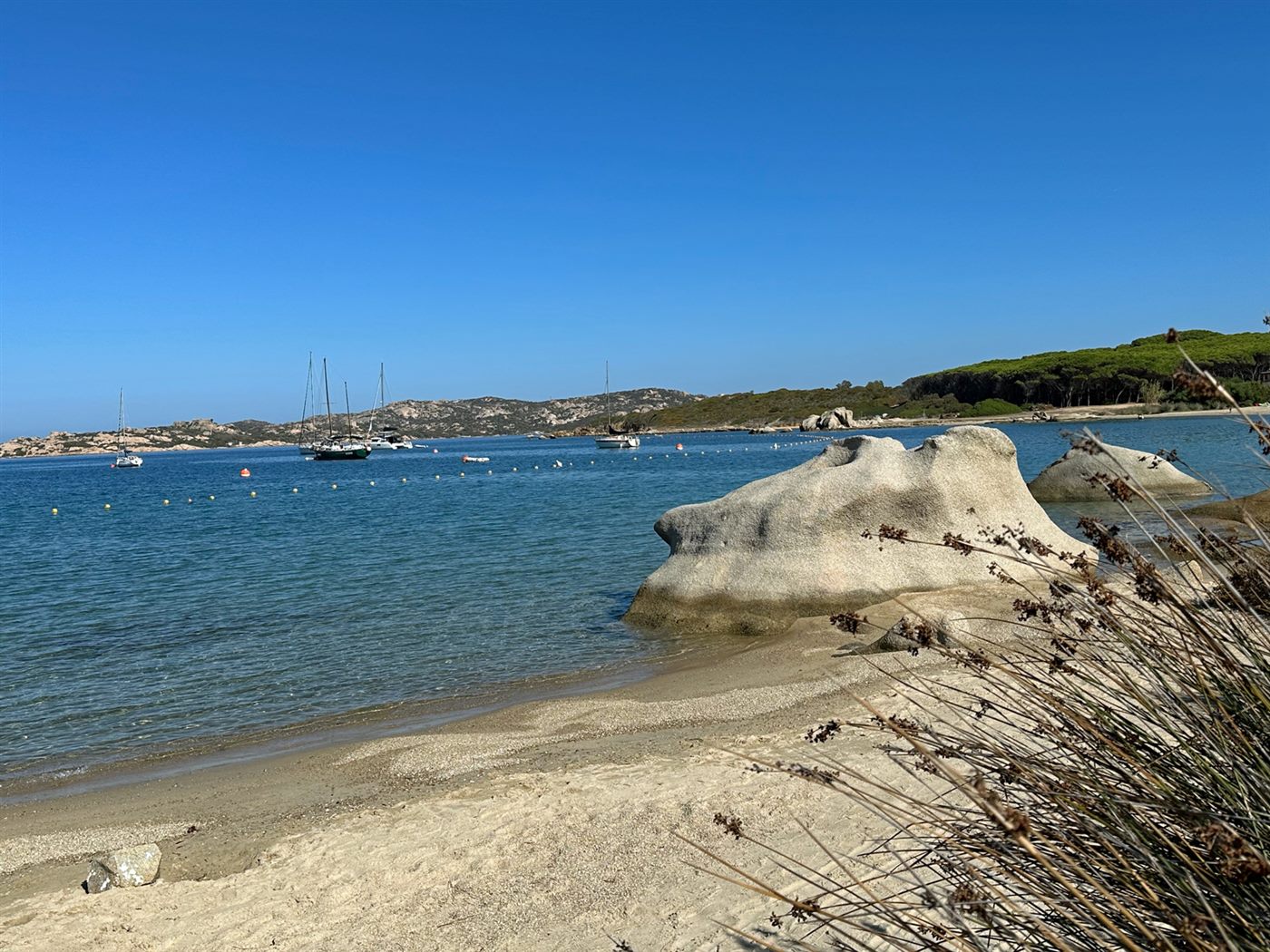
A mooring field is closer to what many crews love about Croatia: clear water, sheltered bays and a quieter night away from harbour movement. It can be a very good alternative to a marina, provided the weather fits. But mooring fields are not informal anchoring zones. In Croatia many are paid, fees vary significantly from one region to another, and pricing may depend on boat length or boat category. Anchoring inside a mooring field is not allowed, so if no buoy is available the crew needs another plan and enough distance from the field.
Skipper’s view: The best berth is not always the prettiest spot on the chart. It is the place that fits the weather, the crew and the next day.
Why a reservation can make sense
Reserving a berth does not mean turning a cruise into a timetable. It simply removes pressure from the evenings that matter. Around Hvar, Vis, the Kornati area, Dubrovnik, Šibenik, Trogir, Split or Korčula, knowing where the boat will lie can change the whole day. The crew can leave at a sensible time, judge swim stops more realistically and react to weather without constantly rebuilding the evening plan.
It is especially useful before a Bora or Jugo, on longer legs, with children on board, around crew changes or when sailing a catamaran. Wider boats need more room. They do not fit every quay in the same way as a monohull, and they need more swinging space in a buoy field. Suitable spaces therefore become scarce faster than the chart might suggest.
One practical point is worth knowing: crews booking through mySea do not pay more than directly on site with the operator. Prices correspond to the regular operator rates. That makes a reservation less about chasing a discount and more about deciding whether a particular stop is important enough to secure in advance.
Weather matters more than mileage
Croatia can look simple on a chart. The islands are close together, the distances are manageable, and many day passages appear straightforward. In practice, distance is only part of the decision. The more important questions are exposure, wind direction, swell and the time left to reach an alternative.
The Maestral is often a pleasant summer wind. It builds during the day, can become stronger in the afternoon and frequently eases in the evening. For many crews this is the rhythm they hope for: a quiet start, a good sail later on and a protected berth before dinner. Bora and Jugo require a different mindset. Bora can arrive dry, gusty and very local from the mountains. Jugo usually builds more slowly, but brings pressure, humidity and sea state. Both make the exact choice of berth far more important.
Experienced crews rarely plan only one destination. They keep an alternative in mind: a marina on the better-protected side, a town quay with less exposure or a mooring field that works for the expected wind. The second option is not a sign of anxiety. It is simply good seamanship in a busy cruising area.
Mooring fields are calm, but not automatic security
Croatian mooring fields can provide very relaxed nights. The boat lies in a bay, often closer to nature and away from harbour noise. Still, a buoy is not a guarantee. The condition of the buoy, the line, the ground tackle, the depth, the swing radius and the position of neighbouring boats all matter.
On arrival, it is worth slowing down. Does the buoy look maintained? Is the pick-up line clean? Is there enough room if the wind shifts? Are nearby boats lying in a way that makes sense? In strong wind or uncertain weather, a buoy is not automatically safer than a marina. And when a crew arrives late, the remaining buoys are often the ones others have avoided for a reason.
The common mistake is to start looking for a buoy too late. In July and August, good places in popular bays may be taken by early afternoon. A crew that already knows which bays are realistic, which mooring fields can be reserved and which alternatives are within reach has a much calmer final hour of the day.
Protected areas and clean water
Protected areas often have their own rules and ticket systems. Crews planning Kornati, Telašćica or Mljet should check park tickets and overnight options before they arrive. This is not bureaucracy for its own sake. It is part of making the day work. There is a big difference between discovering a ticket issue in the bay and building the park visit properly into the route.
Environmental care belongs in the same conversation. No rubbish, oil or wastewater in bays or harbours should be obvious, but it remains essential. Croatia’s appeal depends heavily on clean water, clear bays and intact coastlines. Crews benefit from that quality every day they are there.
The easier months
July and August are not the only months to sail Croatia. June is often already warm, but less compressed. September and October frequently bring softer light, more comfortable temperatures and better chances of finding good berths. Not every crew can avoid the school holidays, but those who can often experience a more relaxed Adriatic.
That does not mean planning becomes unnecessary outside peak season. Weather, opening times, availability and local rules still matter. But the margins are wider. Crews can stay longer in a bay, choose more calmly and avoid sailing every day in the same rhythm as the main summer fleet.
What experienced crews do differently
Experienced crews do not plan every evening in advance. They plan the important ones. They reserve critical stops, approach town quays early, avoid searching for mooring fields in fading light and check the weather not only for today, but for the next 24 to 48 hours.
A few habits make the biggest difference:
- reserve critical stops before the trip or earlier in the day
- approach town quays early
- avoid searching for mooring fields late in the evening
- check the weather 24 to 48 hours ahead
- keep a realistic Plan B
- combine fuel, water and provisioning with a marina night
That last point is often underrated. If water, fuel, waste disposal and shopping are bundled into a planned marina stop, the following days feel freer. Not every bay has to solve every problem. It can simply be sheltered, beautiful and right for the route.
Less pressure, better evenings
Good berth planning does not take freedom out of a Croatia cruise. It protects it. When the evening berth is chosen sensibly, the crew has more space for sailing, swimming, shore visits and weather observation. Fewer decisions are made under pressure, and more days end where they should.
Through mySea, crews can plan or book marinas and selected mooring fields in Croatia. Users do not pay more than directly on site with the operator. That is most useful for popular stops, wider boats and high-season passages, when a reliable evening berth can be worth more than a few extra miles.