Croatia has made an important long-term decision for nautical tourism: the government has extended concessions for 21 ACI marinas until the end of 2058. According to the Croatian Ministry of the Sea, Transport and Infrastructure, the existing concessions were due to expire in 2030. The extension gives ACI a much longer planning horizon for the largest marina network on the Croatian Adriatic.
For crews, this is not a notice that changes tonight’s berth price. But it is a strong signal for the years ahead. If you sail Croatia regularly, keep a boat there or plan charter routes, the decision belongs in the bigger picture: marinas, capacity, investment and berth costs are becoming strategic parts of cruising in Croatia.
What has been decided
The Croatian ministry says ACI had requested a 28-year extension of the relevant concessions. The approved decision extends the term for the listed marinas until the end of 2058.
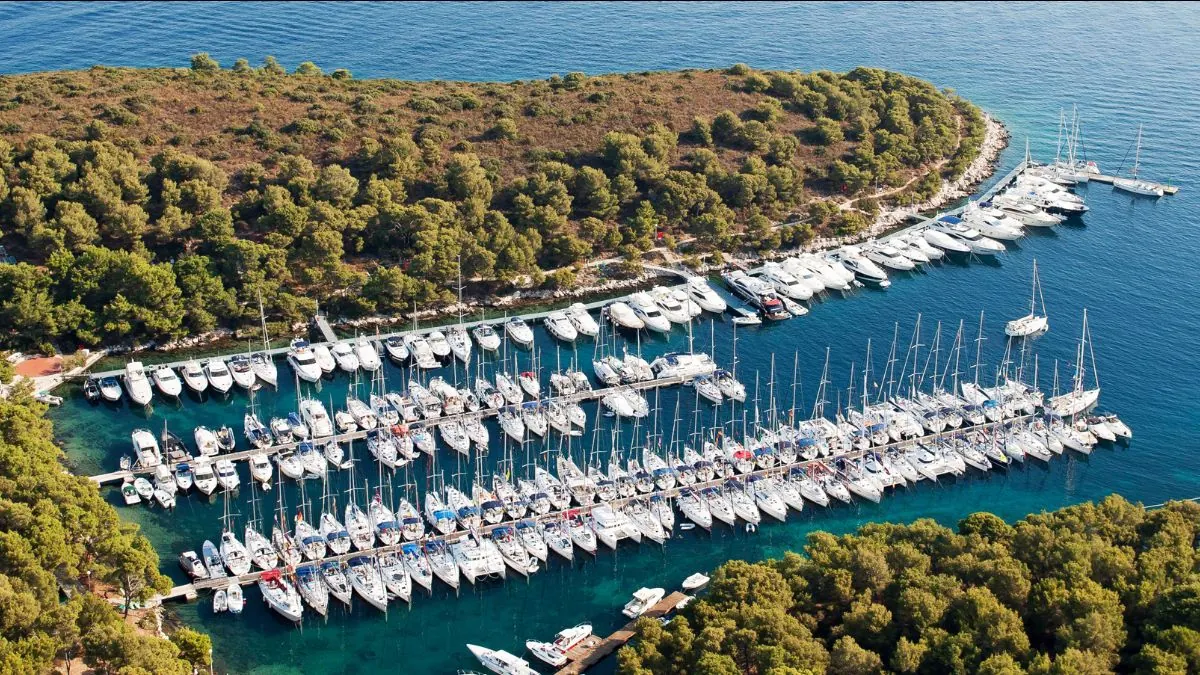
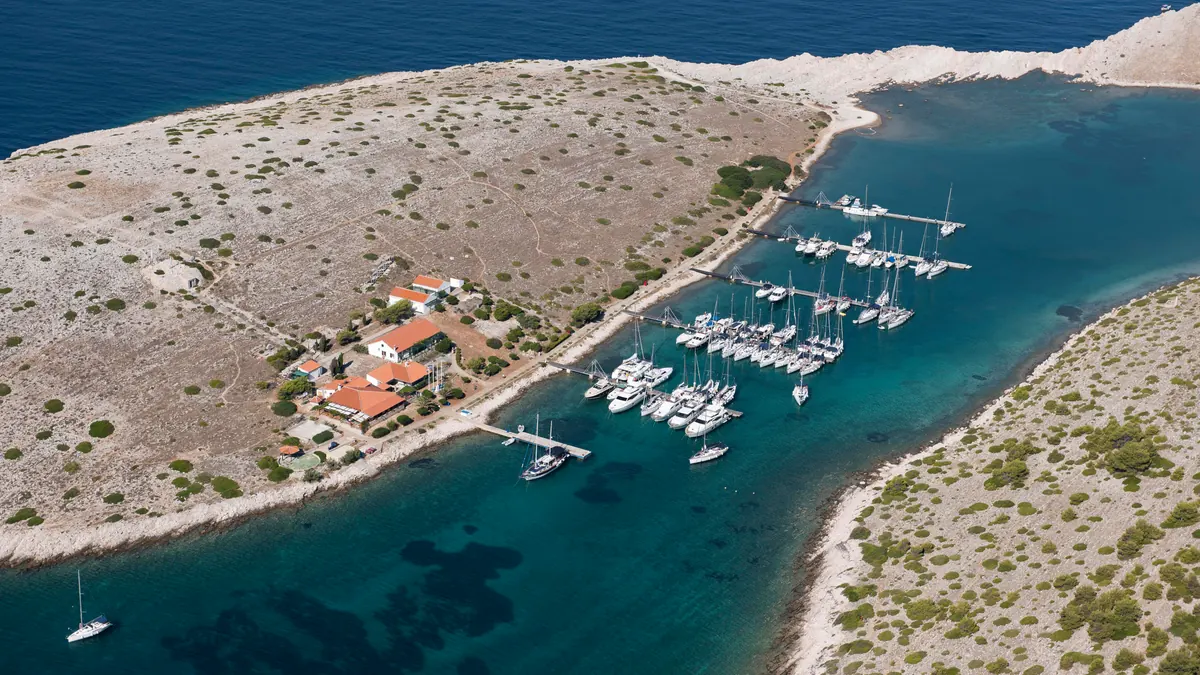
The official statement names Umag, Rovinj, Pomer, Opatija, Cres, Supetarska Draga, Jezera, Vodice, Split, Dubrovnik, Pula, Rab, Šimuni, Žut, Skradin, Trogir, Milna, Vrboska, Palmižana, Piškera and Korčula.
The government links the extension to continuity of operations, new investment, higher service quality, protection of the public economic interest and the long-term competitiveness of Croatian nautical tourism.
The financial framework matters too. The ministry refers to around EUR 140 million of planned investment across the affected ports. Concession fees are also increasing: the fixed part is set at EUR 1.5 per square metre, rising every five years by EUR 0.07 per square metre. In addition, there is a variable part of 4 percent of annual revenue.
Why this matters to crews
For a charter crew in summer, a concession decision can feel remote. A cruising day is still shaped by weather, availability, route and reservations. Even so, this decision is relevant because it creates the framework for future development.
Marinas do not invest in a vacuum. New pontoons, shore power, water supply, sanitary facilities, digital booking, waste management, safety infrastructure and smoother operations all need planning security. If the legal basis is due to expire within a few years, major investments become harder. An extension until 2058 changes that framework.
For crews, the medium-term effect may be better facilities, new investment and clearer processes. At the same time, this does not solve the issue many boaters feel in day-to-day planning: what matters is not only that a berth exists, but how easily it can be found, compared and reserved.
From a mySea perspective, the decision therefore has a critical second side. Many crews have valued being able to see ACI marinas together with other marinas, town quays, buoy fields and national park tickets in one planning context, and in many cases book directly from there. That is what makes passage planning easier: crews can see alternatives, compare options and avoid switching channels for every separate part of the cruising area.
When ACI ends external booking-portal connections and moves reservations more strongly into its own channels, that path does not become easier for boaters. ACI remains important in Croatia and will continue to be a central infrastructure partner. At the same time, from a customer perspective, there is still a lack of openness in making berths available where crews already plan their trips and where they compare other marinas, buoy fields and cruising services.
For practical passage planning, this means that crews who need an ACI stop must check it more separately. That makes alternatives even more important: town quays, municipal harbours, buoy fields, national park options and non-ACI marinas. mySea can help crews see the area not from the perspective of a single operator, but as a network of realistic evening options.
Berth costs remain a separate issue
The new concession decision does not explain future berth prices on its own. It is not a tariff sheet and it does not say what a night in Rovinj, Split or Palmižana will cost. But it belongs in the wider context of berth-cost planning.
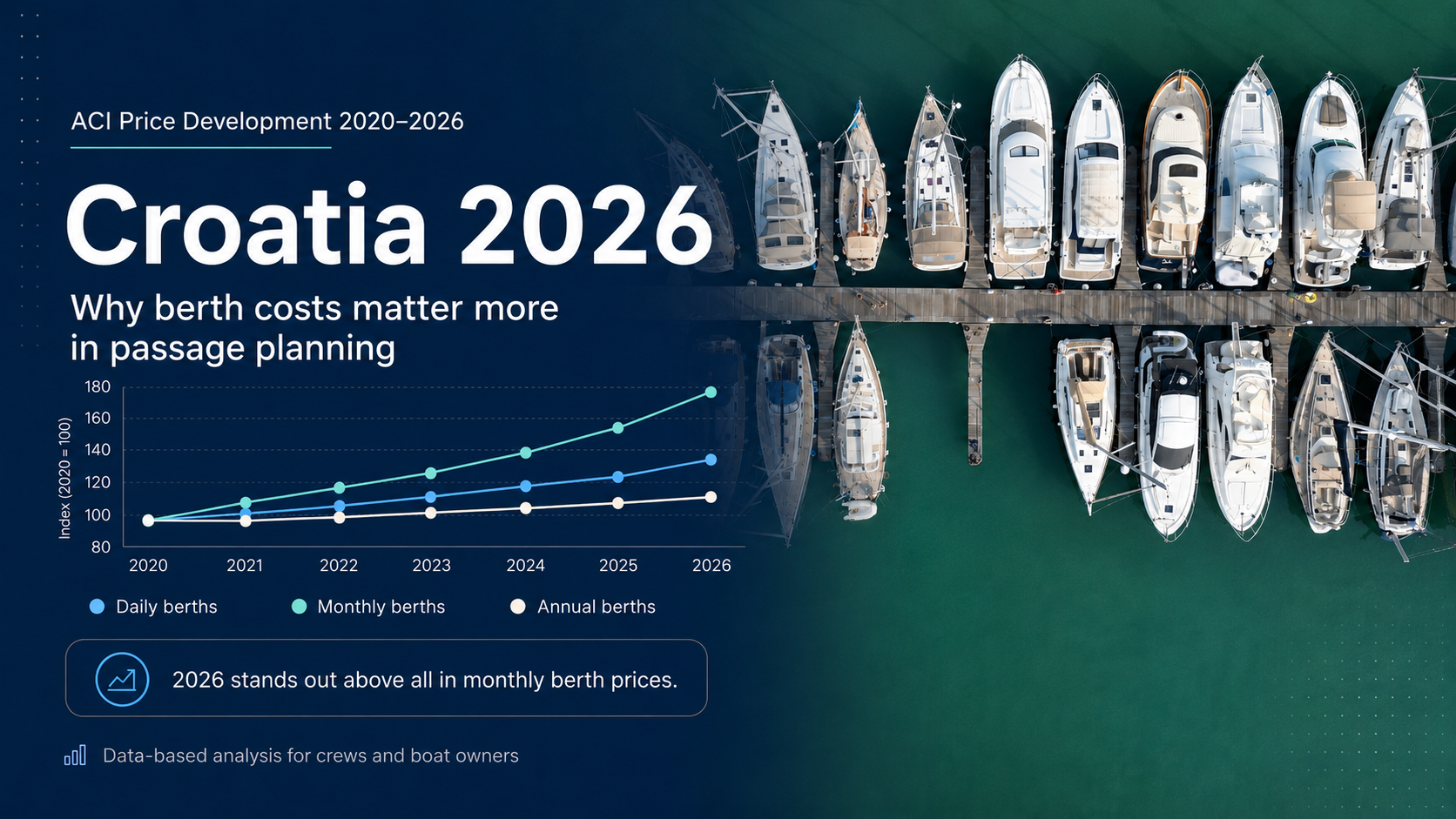
Our analysis of published ACI price lists from 2020 to 2026 already shows how important berth costs have become for passage planning and boat ownership. Monthly berths in particular stand out in 2026. The concession extension now adds a long-term structural layer: if ACI invests, updates concession areas and pays higher concession fees, crews and owners should keep watching how prices develop.
The practical advice remains the same: check critical stops early, compare more than daily berth prices and choose longer-stay regions deliberately. Croatia remains a superb cruising area, but one where berth planning is now part of normal preparation.
What the list means for passage planning
The 21 listed ACI marinas are not a side note. They sit in many of the places where crews actually plan in Croatia: as leg stops, shelter in changing weather, supply points or crew-change locations. The concession issue is politically settled for these sites. The practical berth issue is not.
For sailors, that distinction matters. A concession until 2058 does not automatically mean more visitor berths, easier reservations or stable prices. It mainly means that these locations remain part of the marina infrastructure for the long term. Crews planning for Palmižana, Piškera, Žut, Skradin, Korčula, Split or Dubrovnik in high season should still expect pressure on capacity and should not build the evening plan around one harbour only.
In practical terms: treat ACI stops as fixed nodes in the route, but never as the only evening option. A reachable plan B remains important: town quay, municipal harbour, buoy field, anchorage or non-ACI marina. Precisely because ACI is moving reservations away from independent portals, this parallel planning becomes more valuable for crews, not less.
What crews can take from this now
In the short term, little changes for season planning. Crews sailing Croatia in 2026 or 2027 should still plan around weather, route, boat length, reservability and alternatives.
For the medium and long term, the signal is still significant: Croatia is strengthening ACI as a fixed part of its marina infrastructure. That may support investment and standards. At the same time, what matters to crews is whether this infrastructure remains easy to access: transparent, comparable and bookable where boaters actually plan their trip.
For crews, the takeaway is simple: Croatia remains a cruising area where berth planning needs active work. The major marina locations will stay, but good passage planning looks beyond the next ACI pontoon.
Sources
- Croatian Ministry of the Sea, Transport and Infrastructure: official decision on ACI concessions
- tportal / Hina: report on the extension of ACI concessions
- mySea: Croatia 2026: why berth costs matter more in passage planning