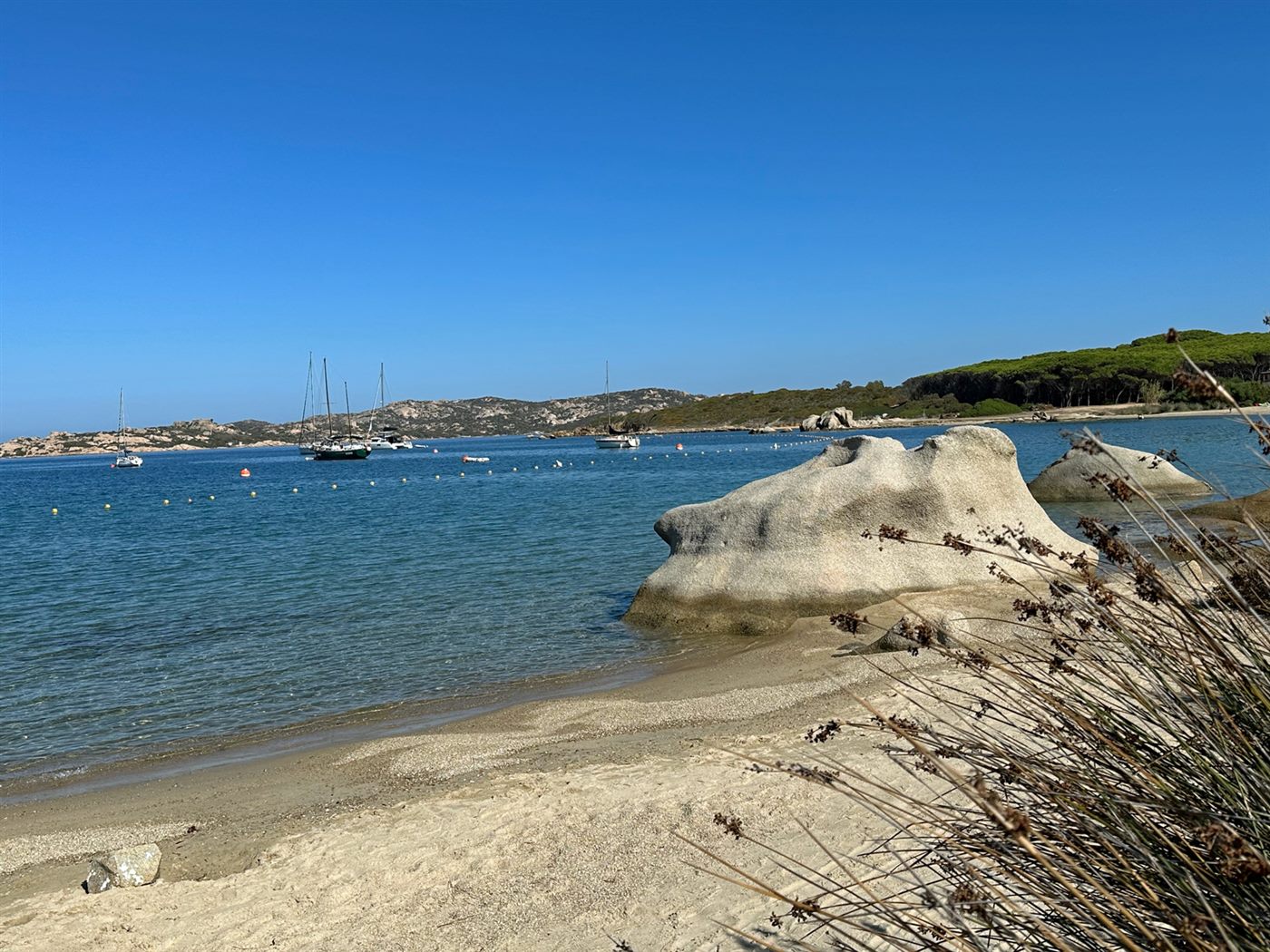
Few moments feel more Mediterranean than a quiet night at anchor. No marina noise, no constant movement on the quay, just the sound of the chain and the sense of being properly inside the cruising ground. For many crews, these are the evenings that stay in the memory long after the trip: the last light on the water, a morning swim before breakfast, the calm of a bay that feels far away from the rhythm of a harbour.
At the same time, anchoring around the Mediterranean has changed. Not because it has lost its charm, but because many popular bays are now more closely managed. Protected areas, Posidonia rules, mooring fields and local restrictions all shape the way crews plan their days. Dropping the hook wherever there seems to be space can now create friction with neighbouring boats, local authorities or the environment itself.
The reassuring part is that anchoring is still one of the best ways to experience the Mediterranean. It simply rewards better preparation. Experienced crews do not remove spontaneity from the trip; they create room for it by knowing where the limits are.
Why anchoring needs more care now
Many of the newer rules have the same purpose: protecting Posidonia seagrass meadows. Posidonia is not just another plant on the seabed. It stabilises the bottom, shelters marine life and grows extremely slowly. When an anchor and chain tear through a meadow, the damage can remain visible for many years.
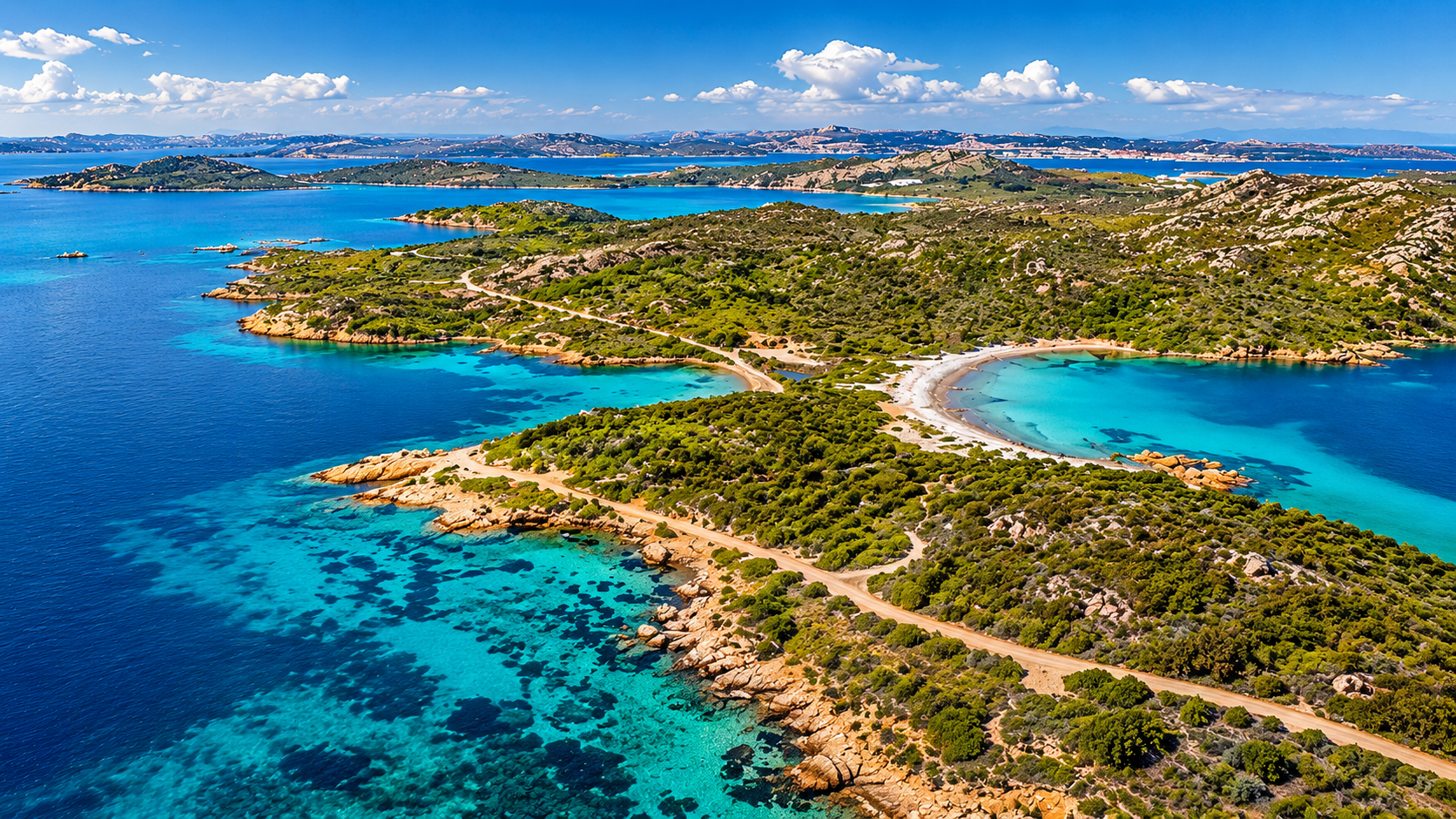
For crews, this does not mean anchoring has to become complicated. It means looking more carefully before committing. From the cockpit, the seabed is often easier to read than expected. Pale areas are usually sand, darker patches often indicate Posidonia, and very dark or broken-looking areas may be rock or dense growth. In busy bays, those different bottoms can sit very close together. A few extra minutes on approach can make the difference between a clean set and a restless evening.
Good skippers slow the whole process down. They pass over the intended spot, watch the depth, use the sun angle and involve the crew. If the bottom is unclear, a quick look with a mask can be more useful than guessing from above. A well-set anchor in sand is nearly always calmer than an improvised compromise on weed or rock.
Croatia: More moorings, earlier decisions
Croatia remains one of Europe’s most popular cruising areas. The distances are manageable, the island chain is dense and many bays fit naturally into a one-week or two-week route. But the practical rules have become stricter, especially since 2025. Croatia’s newer small craft regulation, often referred to as SSVO, has formalised restrictions that were once handled more loosely in some areas.
In daily cruising terms, crews should pay more attention to distances from the coast and swimming areas, avoid anchoring between mooring fields, expect closer Posidonia controls and be careful with shore lines to trees or rocks. In protected areas, there is less tolerance for improvisation than there used to be.
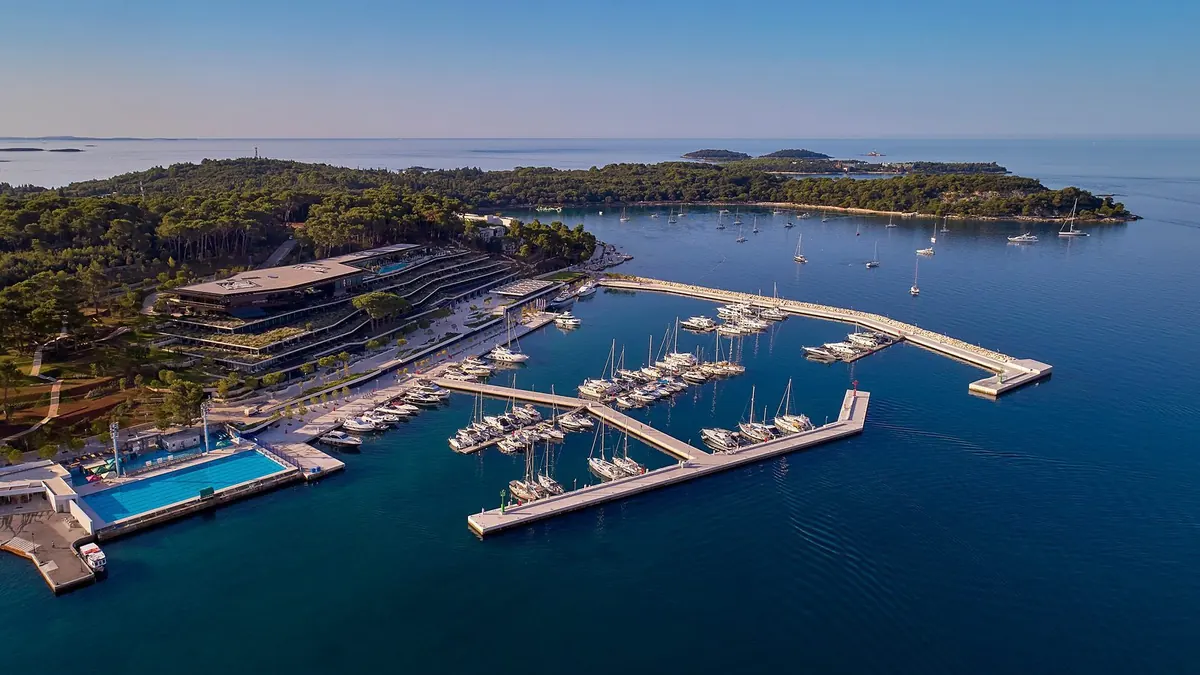
National parks and nature parks such as Kornati, Telašćica, Mljet and Brijuni increasingly rely on organised mooring fields. That changes the rhythm of the day. A crew that keeps sailing until early evening and only then aims for a famous bay may find that the best places were taken hours earlier. In July and August, popular bays can fill by early afternoon, especially in settled weather when everyone is looking for the same protection.
Weather also matters in a very Croatian way. Bora and Jugo can turn a relaxed plan into a different day altogether. A bay that looks comfortable on the chart may become uncomfortable with a wind shift or katabatic gusts. Shorter legs often work better than ambitious mileage. Arriving early, keeping alternatives ready and avoiding a search at dusk usually makes Croatian anchoring much easier.
Italy: Beautiful, sensitive and rarely casual in high season
In Italy, Posidonia protection is particularly visible. It is not limited to one or two famous bays. Around Sardinia, La Maddalena, Elba, Sicily, the Amalfi Coast and many marine protected areas, crews may encounter zones, seasonal restrictions, permits or mandatory moorings. Local rules can change from one season to the next, so last year’s habits are not always a reliable guide.
That does not make Italy less rewarding. Some of the Mediterranean’s finest anchorages are found there. But Italy is not a place where a high-season crew can always rely on “we will find something later”. Many bays are smaller in reality than they look on a screen, berths and moorings fill quickly, and the Coast Guard actively checks sensitive areas.
The calmer approach is to carry several options into the day. One bay for the ideal conditions, another if the wind builds, and a third if the first two are full. It sounds cautious on land; on board it feels like freedom. The crew can change plans without turning the evening into a problem.
Greece: Freer, but not without boundaries
Greece often feels more relaxed by comparison. In many areas, especially the Ionian, anchoring remains straightforward and deeply part of the local cruising culture. Many bays offer good shelter, smaller harbours are used to yachts arriving at anchor, and the pace can feel less formal.
Still, Greece is not without limits. Protected areas, ferry routes, harbour entrances, swimming zones and marine parks need attention. Around Alonnisos, Zakynthos, Natura 2000 areas and local exclusion zones, crews should not rely only on instinct. Often a quick check before the day’s passage is enough to avoid uncertainty later.
The larger factor is often weather rather than regulation. In the Cyclades, the Meltemi can define the entire anchoring strategy. A bay may be quiet in the morning, stronger by midday and uncomfortable in the afternoon as gusts fall from the islands. Experienced crews start early, keep legs shorter and aim to arrive before noon when a secure spot matters. A reserve bay is not a sign that the plan has failed; it is simply part of sailing there well.
The mistakes that disturb a quiet bay
Most anchoring problems do not begin with bad intentions. They usually come from routine, time pressure or the hope that conditions will stay kind. A crowded summer bay leaves less margin than an empty one in May. Swinging circles overlap, neighbours are closer, wind shifts matter more, and a poorly set anchor becomes everyone’s concern.
Arriving too late is one common pattern. By evening there is less light, less room and less calm on board. Another is using too little chain. Many skippers know the rough ratios, but in a full bay it is tempting to shorten up because the space looks tight. That may work in calm weather, but it removes the reserve that helps when the wind increases.
The swinging circle is just as important. A yacht does not sit still like a car in a parking space. It moves around its anchor, and different boats swing differently when wind and current change. In tight bays, mixed anchoring and mooring areas, or places with shore lines, a little extra space and early communication are worth more than a perfect manoeuvre performed too late.
Chain length does not need to become a technical lecture. As a broad practical guide, crews often use five to seven times the water depth in normal conditions and more when wind is expected. The real point is not just the number. The anchor should be set gently, loaded in a controlled way and checked before everyone relaxes.
Why anchoring is still worth it
Despite the added planning, a night at anchor remains the highlight of many Mediterranean cruises. The best moments are often quiet: a swim at first light, coffee in the cockpit, warm rock faces in the evening, a small bay before the day’s traffic begins. Good preparation does not take anything away from that feeling. It makes it easier for the moment to happen without stress.
In the main season, reliable weather information, good cruising notes, alternative bays, awareness of protected areas and recent observations from other crews all help. Not because every decision should be fixed in advance, but because informed crews have more freedom underway. They know when to stay, when to move and when a beautiful bay is not the right bay for that night.
Anchoring in the Mediterranean is not becoming simpler, but it is becoming more deliberate. Crews who respect Posidonia, take protected areas seriously, prepare for weather changes and do not leave the search until sunset will still find memorable nights at anchor in 2026.
That balance is part of the appeal: thoughtful planning, a careful eye for the seabed and the boats around you, and then the quiet moment when the yacht settles, the chain rests and the evening arrives over the bay.
mySea helps crews bring together cruising information, protected-area notes and practical bay planning before departure. Not as a replacement for judgement on board, but as a calm base for better decisions underway.